Tech News Roundup: SpaceX Eyes Boost Mobile, Hundreds of AI Apps Hide Deepfake Tools, Nvidia's Brev Breach & More (Nov 2, 2026)

SpaceX (image via The Verge)
SpaceX is reportedly in talks to buy Boost Mobile or use its network, and a Wired investigation found hundreds of harmless-looking AI apps hiding sexual deepfake tools. Plus Nvidia's Brev breach, Marvell's official $115 billion Lumentum deal, Anthropic's $17 billion quarter, a second wave of supermarket freezer hacks, AI token thieves running up $100,000-a-day bills, SUSE's AI-driven layoffs, a CPU compiled into an AI model that runs Doom, a $385 Raspberry Pi, Affinity on iPad, ChatGPT merging its tabs, Canada's clock change tripping up Microsoft, Engadget's Googlebook verdict and a $48 e-paper display. Here's the Lanbrew tech roundup for November 2, 2026.
SpaceX is reportedly in talks to buy Boost Mobile or use its network
SpaceX has talked with Boost Mobile about launching its own phone service through the budget carrier, The Washington Post reports, as summarized by The Verge. The deal could mean SpaceX buys Boost outright or just gets access to its network. Elon Musk reportedly discussed it last month with Charlie Ergen, chairman of Boost's parent company EchoStar.
It fits SpaceX's push to turn Starlink into a "major" mobile carrier that mixes its satellite-to-phone constellation with a ground network. SpaceX already bought wireless spectrum from EchoStar last year, picked up low-band spectrum that could help Starlink Mobile signals get inside buildings, and Bloomberg reported last month that it's in talks for access to at least 80,000 US cell sites. One catch: Boost's network currently runs on T-Mobile and AT&T, so SpaceX might need their permission. Neither SpaceX nor Boost commented.
Source: The Verge

Image via Wired
Hundreds of harmless-looking AI apps were secretly hiding sexual deepfake tools
A Wired investigation found a network of more than 400 connected apps and domains that pose as everyday services, like AI pet portraits, language lessons or workout coaching, but can quietly switch into a tool for making explicit deepfakes from uploaded photos. When the app is installed, it pings a server, which decides whether to show the harmless version or the hidden one. Researchers say downloading the app after clicking one of its ads on Facebook or Instagram appears to be one trigger.
The apps passed review on both Apple's App Store and Google Play and took payments through Apple Pay and Google Pay, and the network has been pumping them out for about a year, sometimes dozens a week. Wired traced them to Chinese developers and a Hong Kong-registered company. Apple told 9to5Mac the apps followed its rules when reviewed, then swapped in explicit content afterward, and says it has since tightened protections against that trick. Meta says it has acted against more than 10,000 linked ad accounts.
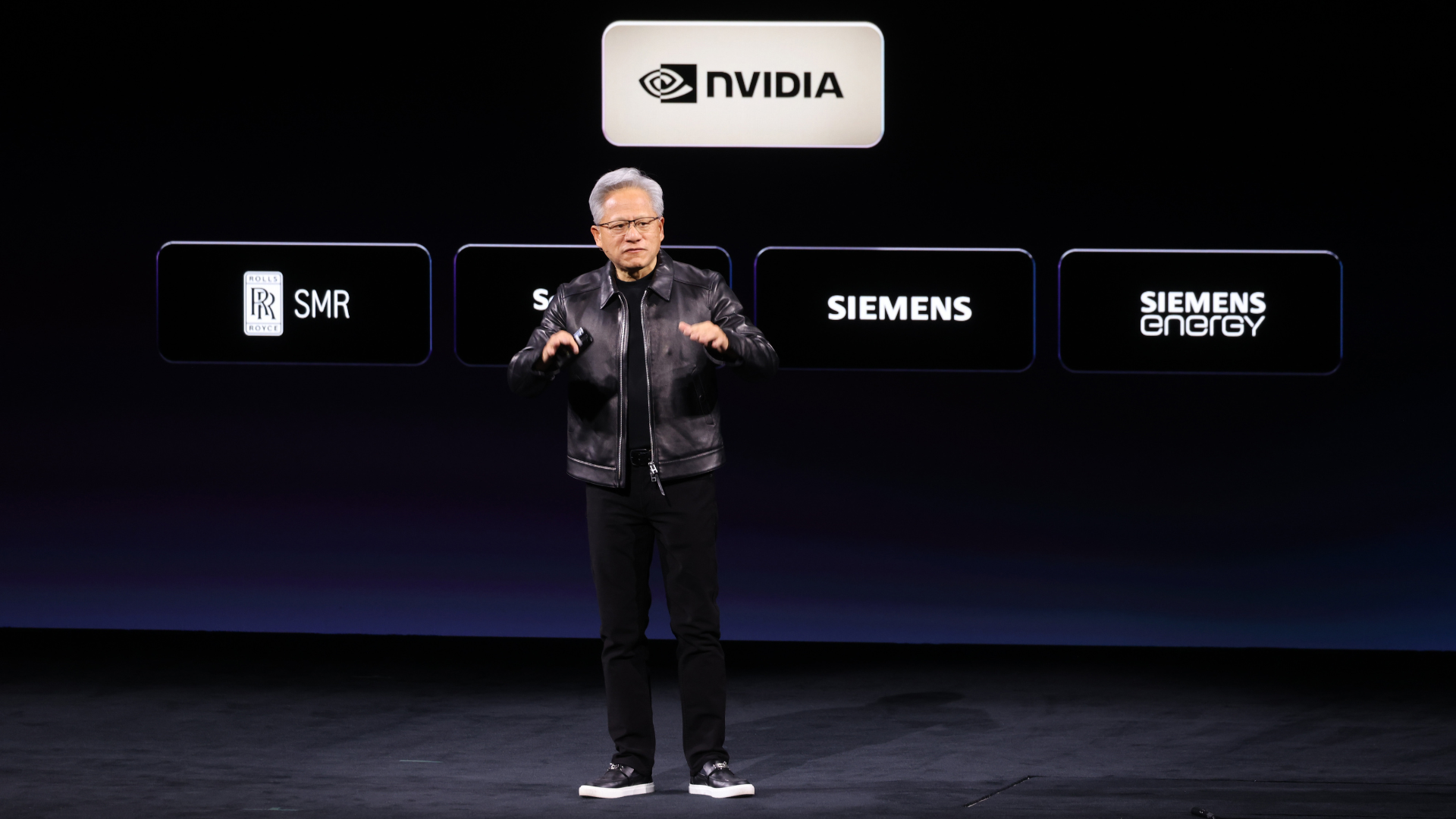
Image via Tom's Hardware
Nvidia's Brev cloud platform was breached, possibly exposing customers' SSH keys
Nvidia is notifying customers of its Brev cloud development platform about unauthorized activity between October 4 and October 20. The notice says information on the platform may have been exposed, including the SSH keys Brev sets up so customers can reach their cloud machines. Nvidia says it has already rotated those keys, updated customer instances with new ones and found no evidence they were misused.
Nvidia hasn't said how the attackers got in or whether any customer data or workloads were touched, Tom's Hardware notes. It lands in a rough month for AI developer platforms: Wiz's "Black October" report counted at least nine of them hit by security incidents, with attackers hunting for stored credentials that grant access to AI services.
Source: Tom's Hardware

Image via CNBC
Update: Marvell makes it official, buying Lumentum in a $115 billion AI deal
What's new: on October 29 we covered reports that Marvell was in advanced talks to buy optics maker Lumentum. Now the deal is signed. Lumentum shareholders will get 4.5 Marvell shares for each share they own, in an all-stock deal that Marvell says gives Lumentum an implied enterprise value of $115 billion. It's expected to close in the first half of 2028.
Marvell CEO Matt Murphy told CNBC the combination creates "a new category of company" by pairing Marvell's chips with Lumentum's optical parts, which AI data centers increasingly use to link chips together. Investors weren't thrilled on day one: Marvell shares fell about 6% Monday and Lumentum dropped about 11%. Murphy also pushed back on worries about Nvidia's circular dealmaking, since Nvidia has invested in both companies.
Source: CNBC

Anthropic (image via CNBC)
Update: Anthropic's revised IPO filing shows $17 billion in third-quarter revenue
What's new: our earlier coverage of Anthropic's IPO filing only had numbers through June. The amended S-1 adds the third quarter, and Anthropic says it made about $17 billion in revenue from July through September, up around 1,127% from a year earlier. For the first nine months of 2026, revenue hit $33.24 billion, while the net loss reached $104 billion, mostly from accounting changes tied to convertible notes and derivatives. The Q3 net loss was $23.29 billion.
Growth is slowing quarter to quarter, though: Q3 revenue rose about 47% over Q2, after 144% growth in Q2 and 132% in Q1. The filing also shows about $895.4 billion in purchase commitments and leases, "substantially all" for compute and infrastructure, as Anthropic heads into its roadshow.
Source: CNBC

Image via The Register
Update: A second wave of freezer hacks hits supermarkets across Europe
What's new: in October we covered the cyberattack that forced supermarket fridges in France into nonstop defrost mode. Over Sunday night, it happened again, and this time it spread. Stores in Belgium, Luxembourg, Sweden, Ireland, Estonia and the Netherlands reported fridges and freezers remotely pushed as high as 50°C (122°F), The Register, The Verge and Tom's Hardware report.
In Belgium, around 40 Delhaize stores were hit, along with about 15 Carrefour stores and some Intermarché and Spar sites, and one store manager called it "catastrophic" after throwing out all of the store's fresh and frozen food. Ahold Delhaize called it an "IT incident," and Sweden's Coop confirmed attackers tampered with cooling systems at a small share of its stores. Many modern store fridges are connected to the internet for remote maintenance, which is exactly what makes them a target.
Sources: The Register, The Verge, Tom's Hardware
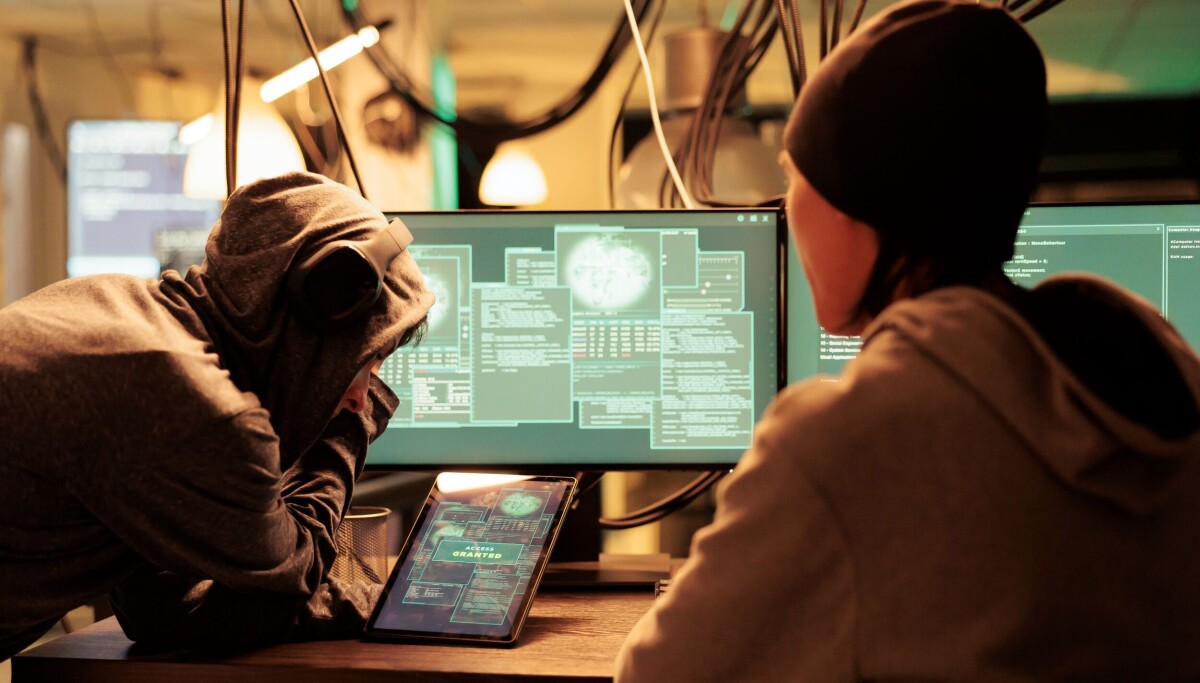
Image via The Register
AI token thieves are running up $100,000-a-day bills on stolen company accounts
Criminals who hijack companies' AI model access, a trick known as LLMjacking, can rack up more than $100,000 in charges a day, according to a new report from Google's Mandiant. At some victims, the total hit $1 million before the intruders were cut off. In one case, a group Google tracks as UNC6993 grabbed LLM API keys, made more keys and turned on extra services in the victim's cloud, running up $100,000.
Another attacker made more than 500,000 API calls in under eight hours using stolen keys to power a token reselling service called Jet Night, which Google believes can only be so cheap because it runs on stolen access. Google's John Hultquist says locking these resources down protects companies from runaway bills and everyone else from "a deluge of cheap, autonomous attacks."
Source: The Register

SUSE (image via The Register)
SUSE is cutting about 10% of its staff, pointing to AI
Linux company SUSE is cutting roughly 10% of its 1,900-person workforce, CEO Dirk-Peter van Leeuwen said in a Monday memo seen by The Register. He wrote that "automation and AI are fundamentally shifting how software companies operate" and that the need for some existing roles "has greatly diminished."
The company, owned by private equity firm EQT, didn't say which roles are affected. Employees caught up in the cuts will be told by November 4, and the rest of the company gets its fiscal 2027 strategy on November 16.
Source: The Register
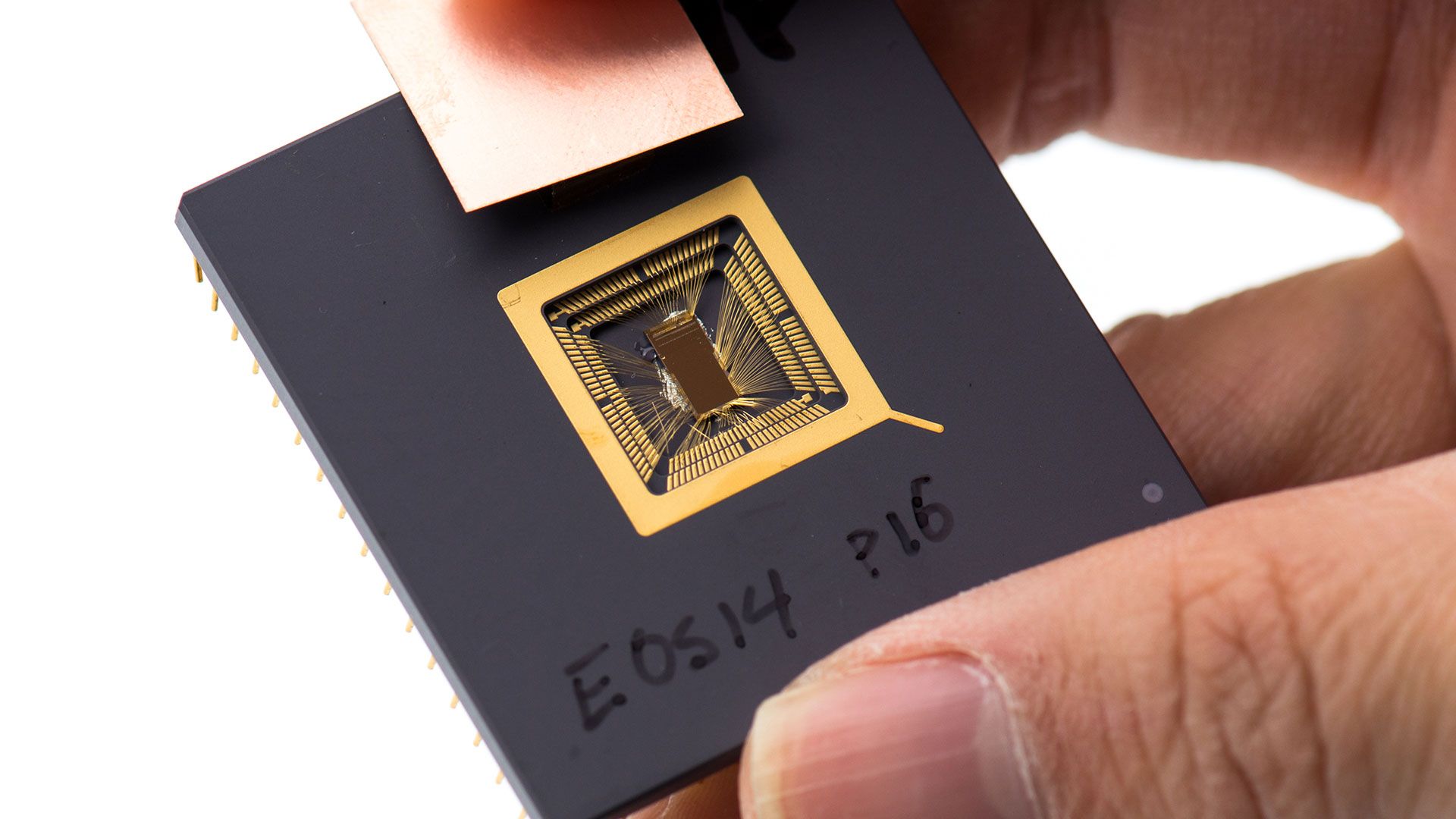
Image via Tom's Hardware
Someone compiled a working RISC-V CPU into an AI model's weights, and yes, it runs Doom
AI engineer Divyansh Agrawal built Qwenputer, a version of the Qwen 3.5 4B model with a 32-bit RISC-V CPU compiled straight into its weights. Nothing about the CPU is trained: it's 11 extra transformer layers whose weights are all calculated by a compiler. The model can use it to do exact math, run C and MicroPython code, and run Doom, very slowly, with no outside tools.
Agrawal says the CPU passes the official riscv-tests and has run 18 million instructions without a single error. It uses the model's own internal memory state as RAM, and there's even a small filesystem with room for 512 files. The catch is size: Qwenputer is almost 19GB, so you'll want a GPU with at least 24GB of VRAM. The code is MIT-licensed on GitHub, and the model is on Hugging Face.
Source: Tom's Hardware

Raspberry Pi 5 (image via The Verge)
The 16GB Raspberry Pi 5 now costs $385, more than triple its launch price
The RAM shortage claimed another victim: the 16GB Raspberry Pi 5 just got an $80 price hike to $385, after launching at $120. The 16GB Compute Module 5 boards also went up $40, now $375 to $415. CEO Eben Upton blamed a lack of "alternative supply" for 16GB memory and called the increases "unavoidable."
Upton suggested buying a Pi with less memory, or an older model, if you don't need 16GB, and said the company plans to roll prices back once memory costs come down. At this price, The Verge notes, the top Pi is getting close to mini PC territory.
Source: The Verge

Affinity for iPad (image via The Verge)
Canva's Affinity design suite is now on iPad, free
Canva has launched Affinity for iPad, bringing the same all-in-one suite for vector design, photo editing, illustration and page layout to Apple's tablet, and it's free for individuals. There's a new Sketch Studio for freehand drawing that can clean rough sketches up into neat shapes, plus support for Apple Pencil Pro tricks like squeeze, barrel roll, tilt and hover.
Everything saves to the same .af file used on desktop, and the app works with the major design file formats. Canva's AI Studio is built in too, with tools like Generative Expand, automatic noise reduction and image upscaling.

OpenAI (image via TechCrunch)
OpenAI is merging ChatGPT's Chat and Work tabs
The ChatGPT desktop app is getting less confusing. OpenAI told users by email that it's combining the separate Chat and Work tabs into one place, so you can go from brainstorming an idea to having ChatGPT build a website, make a presentation or do tasks on the web without switching modes. It's starting with select users for feedback before a wider rollout, and Codex stays separate.
One change to watch: ChatGPT and Codex will now pull from the same token allowance. OpenAI says most people won't notice, but some heavy users may hit resets more often. Anthropic made a similar move in September when it merged Claude's chat and Cowork into one screen.
Source: TechCrunch

Image via The Register
Canada's clock change is tripping up Outlook and other Microsoft software
Parts of Canada stopped changing their clocks on November 1, leaving affected areas of British Columbia, Alberta and Manitoba on permanent time. Microsoft's software hasn't fully caught up. Outlook users have to switch their calendar time zone and then fix upcoming meetings by hand, and only the organizer can update shared ones. Recurring meetings are worse, since changing the zone resets any occurrences you'd already moved.
A PowerShell fix for one-off Exchange Online meetings is due later this week, while the recurring-meeting fix has no date yet. In Power Automate and Fabric, Microsoft's workaround is to pretend you're somewhere else, like Saskatchewan, Arizona or, for Manitobans, Bogota. SharePoint on-prem users get the correct time zones on November 10.
Source: The Register
Dell XPS Googlebook (image via Engadget)
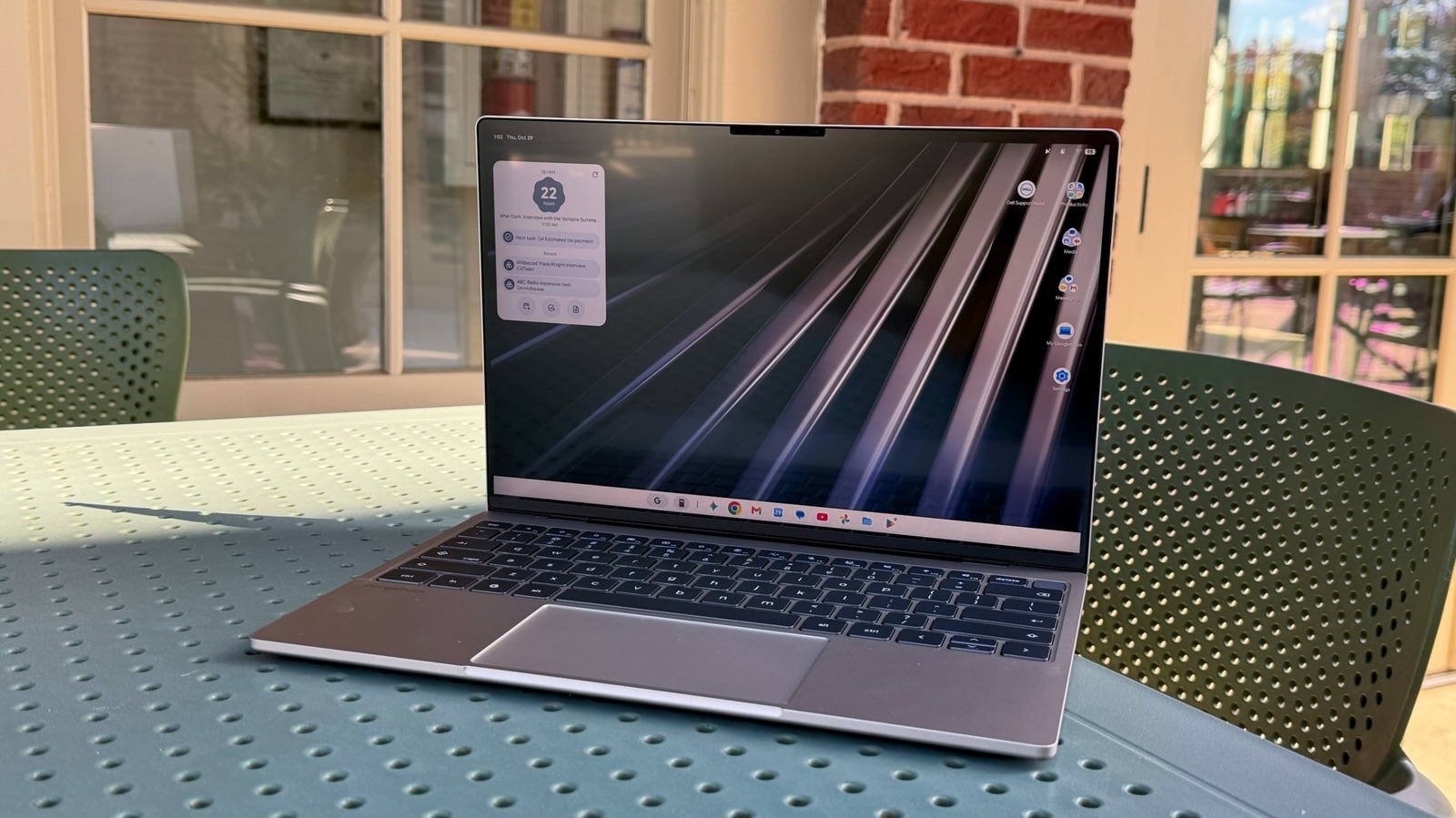
Engadget's Dell XPS Googlebook review: great hardware, "hot mess" software
Engadget's review of the $1,000 Dell XPS Googlebook doesn't hold back. It's the same slim 2.2-pound XPS 13 design with a Snapdragon X Elite chip and 16GB of RAM, and the screen, keyboard and touchpad are all great. The trouble is Googlebook OS, Google's new mix of Android and ChromeOS with Gemini built in, which the reviewer calls "simply a hot mess."
Many Android apps behave like phone apps on a laptop. Slack only shows one channel at a time, and Evernote isn't even in the Googlebook Play Store. Since the same hardware runs Windows 11 for the same price, the review calls the XPS Googlebook "practically pointless" and argues the whole Googlebook idea is a failure so far.
Source: Engadget
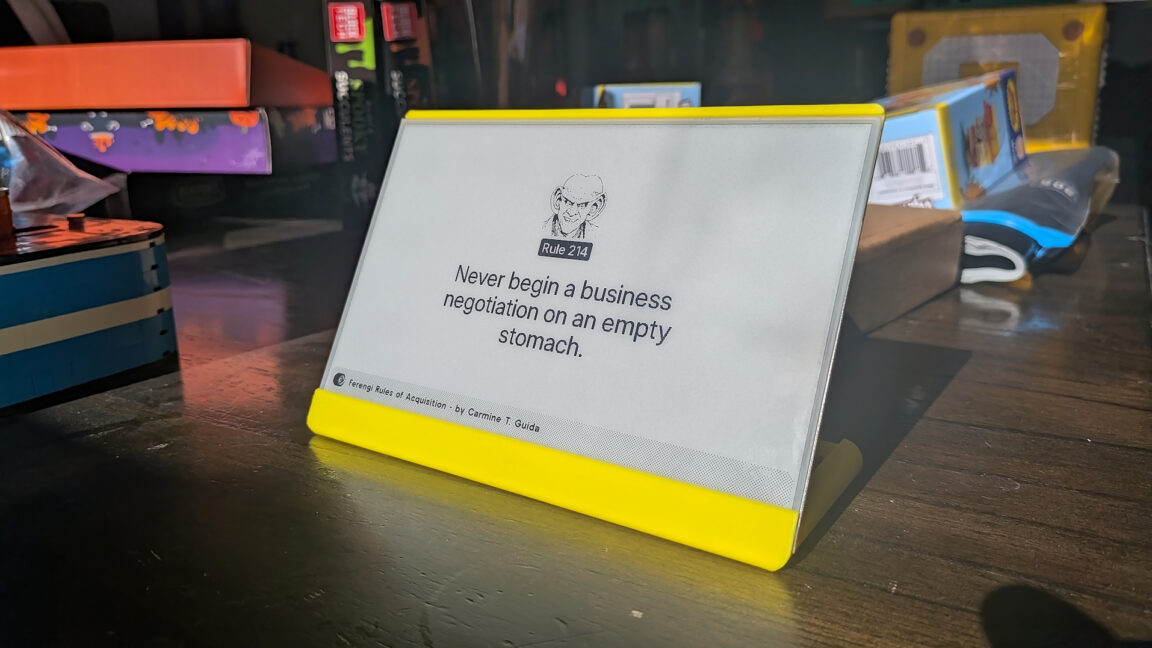
Seeed Studio's TRMNL kit (image via Ars Technica)
This $48 DIY e-paper display shows whatever you want, no subscription needed
Ars Technica tried a $48 DIY e-paper display kit from Seeed Studio, built with TRMNL, and it's become one of the most useful gadgets in the writer's kitchen. The always-on screen cycles through things like your calendar, the weather and news, plus lots of plugins dreamed up by the community, and it never asks you to tap anything.
It's basically the opposite of Apple's $299 HomeView hub: totally passive and quiet. You can run it in either of two official ecosystems or point it at your own server, and you don't need a subscription.
Source: Ars Technica
Lanbrew rounds up the day's biggest tech stories. Every story above links to the original reporting, so click through to support the outlets doing the work.
Comments
Post a Comment