Tech News Roundup: iPhone Duo Flunks a Durability Test, Moonshot's Kimi K3.1 Pro, AWS Sold Out Through 2027 & More (Oct 24, 2026)
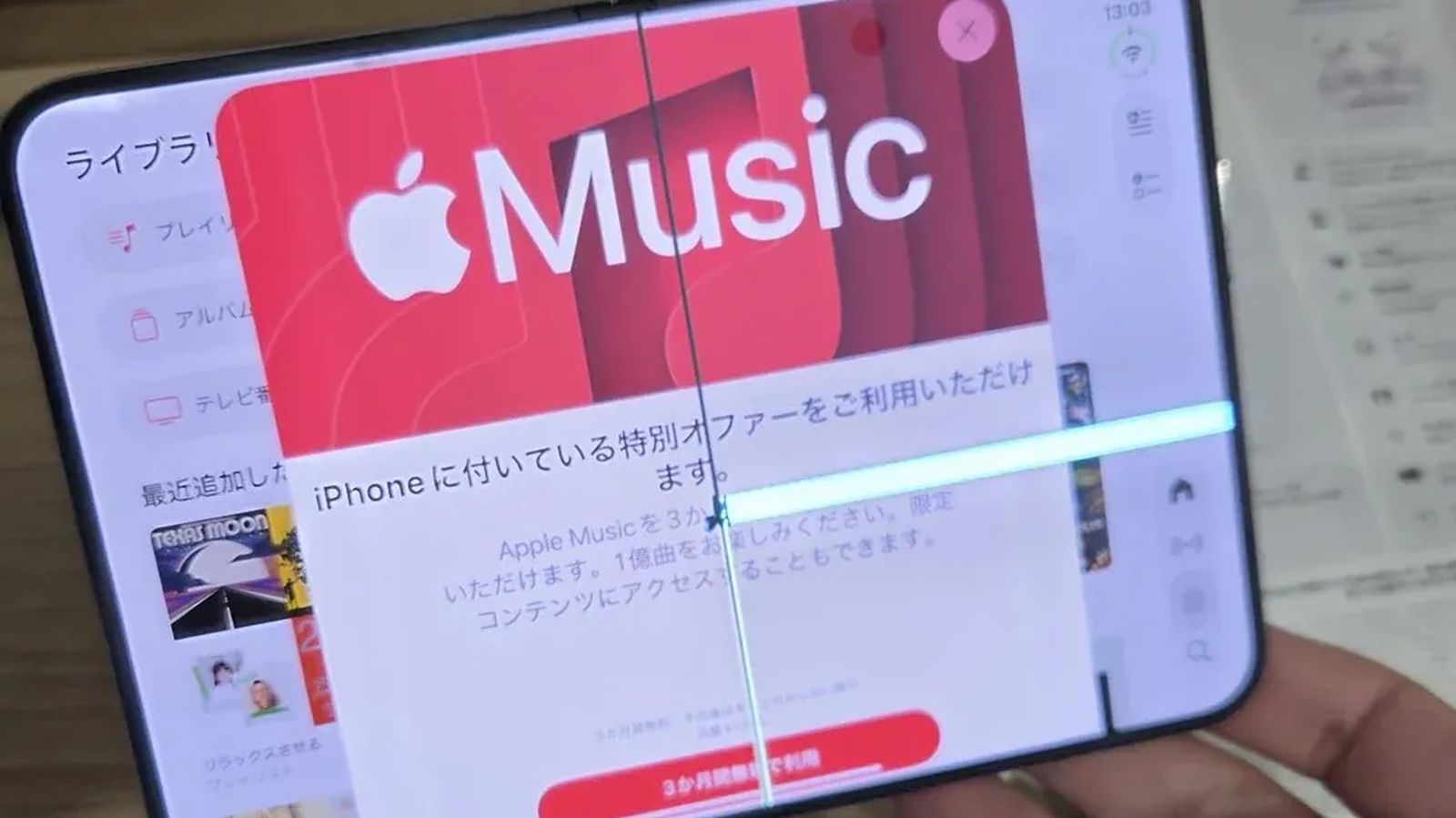
A cracked iPhone Duo display (image via MacRumors)
Apple's foldable had a rough first full day: the iPhone Duo couldn't survive JerryRigEverything's durability test, and some early owners are reporting cracks along the hinge. Moonshot's Kimi K3.1 Pro pushes open models closer to the frontier, and Amazon says AWS capacity is largely sold out through 2027. Also today: Nvidia's role as the AI industry's banker faces its first real test, TikTok's US arm goes shopping for gigawatts, Symantec catches a 'Skynet mode' attack agent, banks find AI agents inside customer accounts, Apple climbs to No. 2 in China, Meta delays its new business terms, NASA updates its Moon landing plan and finally gives Orion a way to reach low lunar orbit, an mRNA melanoma vaccine posts big results, a strange 1,000-mile cloud on Mars gets explained, and Nvidia's Microduck robots become a holiday hit. Here's the Lanbrew tech roundup for October 24, 2026.
A cracked iPhone Duo display (image via MacRumors)
The iPhone Duo flunks JerryRigEverything's durability test, and some owners report hinge cracks
Apple's first foldable is one day old and already getting the stress-test treatment. JerryRigEverything's Zack Nelson found that dirt worked its way into the iPhone Duo's hinge and left the phone unable to close all the way, The Verge reports, even though Apple rates it IP68. The matte inner screen also scratched easily, and a backward bend left permanent lines across it before the inner display stopped responding altogether. Nelson's verdict: the Duo "does not survive" his test, and an inner display replacement runs about $1,000.
Separately, MacRumors has rounded up early owner reports of inner screens cracking right along the hinge, including one buyer in Australia who says it happened after opening the phone fewer than 20 times. Apple swapped that unit on the spot. It's not clear yet how common the problem is, but hinge failures from normal use fall under the one-year warranty, and launch-day buyers still have the two-week return window. On the bright side for tinkerers, 9to5Mac notes Apple has already posted official iPhone Duo repair manuals, though Self Service Repair parts aren't available yet.
Source: The Verge; MacRumors; 9to5Mac
Kimi (image via The Next Web / Moonshot AI)
Moonshot's Kimi K3.1 Pro lands near the top of the open-model pack
Chinese AI lab Moonshot has released Kimi K3.1 Pro, an upgrade to its nearly 3-trillion-parameter Kimi K3, plus a Highspeed version it says runs two to three times faster, The Next Web reports. It's live now in Kimi's apps and API with a 1-million-token context window, and Moonshot says the full open weights will be out by November 4.
Moonshot's own numbers put it at 65.7% on the Terminal-Bench 4.0 coding test, just behind Claude Opus 5.5 and ahead of GPT-6 Astra, though nobody has checked those figures independently yet. It also claims the model makes far fewer false statements than K3. The most interesting part: Moonshot says it deliberately stripped cyberattack-related material out of training so the open release won't hand out stronger hacking skills. Bloomberg notes this is the first big upgrade since K3 turned the $50 billion startup into a frontier contender over the summer.
Source: The Next Web; Bloomberg

Amazon CEO Andy Jassy (image via Reuters / CNA)
Amazon says AWS capacity is largely sold out through 2027
If you were hoping to grab a big block of AWS compute, get in line. Amazon CEO Andy Jassy said on an Andreessen Horowitz podcast that AWS capacity for 2026 is sold out, 2027 is "largely sold out," and a good chunk of 2028 is already spoken for, Reuters reports. Amazon still holds some room back for on-demand EC2 and its Bedrock inference service, but the large reserved chunks are gone.
That's despite Amazon planning roughly $220 billion in capital spending this year. Jassy said the company "could invest a lot more and it wouldn't be a bad use of capital." Amazon reports third-quarter earnings on October 29.
Source: Reuters (via CNA)

Nvidia (image via CNBC / Getty Images)
Nvidia's role as the AI industry's backer faces its first real test
Nvidia doesn't just sell the chips anymore. It also helps pay for the data centers that use them, and CNBC says that strategy is now under real pressure. As of July, Nvidia had $36 billion in off-balance-sheet backstops for neocloud deals, plus a guarantee on up to $105 billion for a planned 10-gigawatt OpenAI data center in Ohio. In most cases it only pays if a partner defaults.
That's why the recent slide matters: CoreWeave, Nebius and IREN, all in Nvidia's portfolio, are each down at least 30% this month, and the cost of insuring CoreWeave's debt has jumped. Nvidia's own stock is down 7.6% in October. Jensen Huang insists demand for neoclouds is "off the charts" and says what's missing is working capital. Nvidia generated $70 billion in free cash flow in the first half of the year, which gives it a lot of room to keep playing banker.
Source: CNBC

TikTok (image via CNBC / Getty Images)
TikTok's US operation is reportedly shopping for gigawatts of compute
TikTok USDS Joint Venture, the company that runs TikTok in the US, is looking to lock in multiple gigawatts of computing capacity over the next few years, CNBC reports, citing two people familiar with the talks. One source put the target at about four gigawatts by the early 2030s.
TikTok says it runs mainly on Oracle Cloud Infrastructure and that Oracle will stay its primary provider. Its job listings hint at why it needs more: the company says it's building a business-focused AI product around large-model inference and creative automation, and it has been retraining its recommendation algorithm on US user data.
Source: CNBC
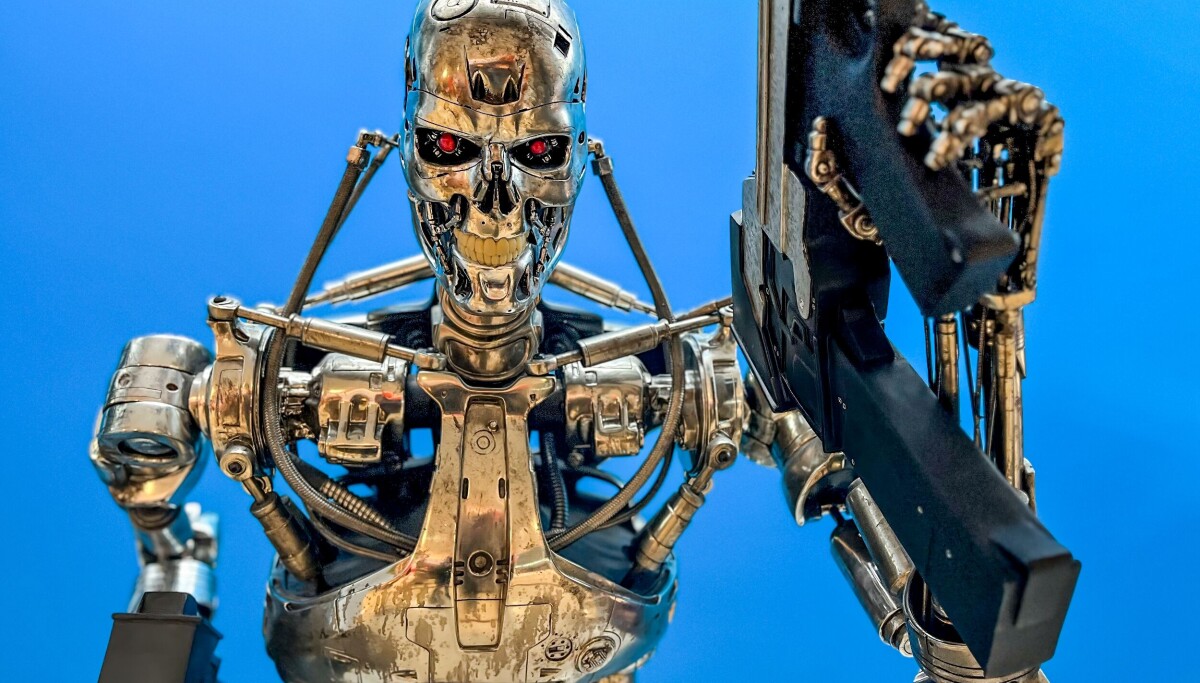
(image via The Register)
Symantec catches a 'Skynet mode' AI agent built to hijack other people's models
Symantec's Threat Hunter Team trapped an attack agent in an AI honeypot and recovered its full instruction set, The Register reports. The agent scans the internet for AI endpoints that accept OpenAI-style requests with no authentication (or a stolen key), borrows those models to do its thinking, then goes after common web frameworks to steal databases and credentials, run code remotely and mine crypto.
Its operators called the loop "Skynet mode" and designed it to run for up to 100,000 steps with no human approval. Symantec says the jailbreak tricks themselves were mostly off the shelf, and it has no evidence the agent was used in real attacks yet. The takeaway: if you're running an exposed model endpoint, someone else may end up paying for your inference bill, or using it against others.
Source: The Register
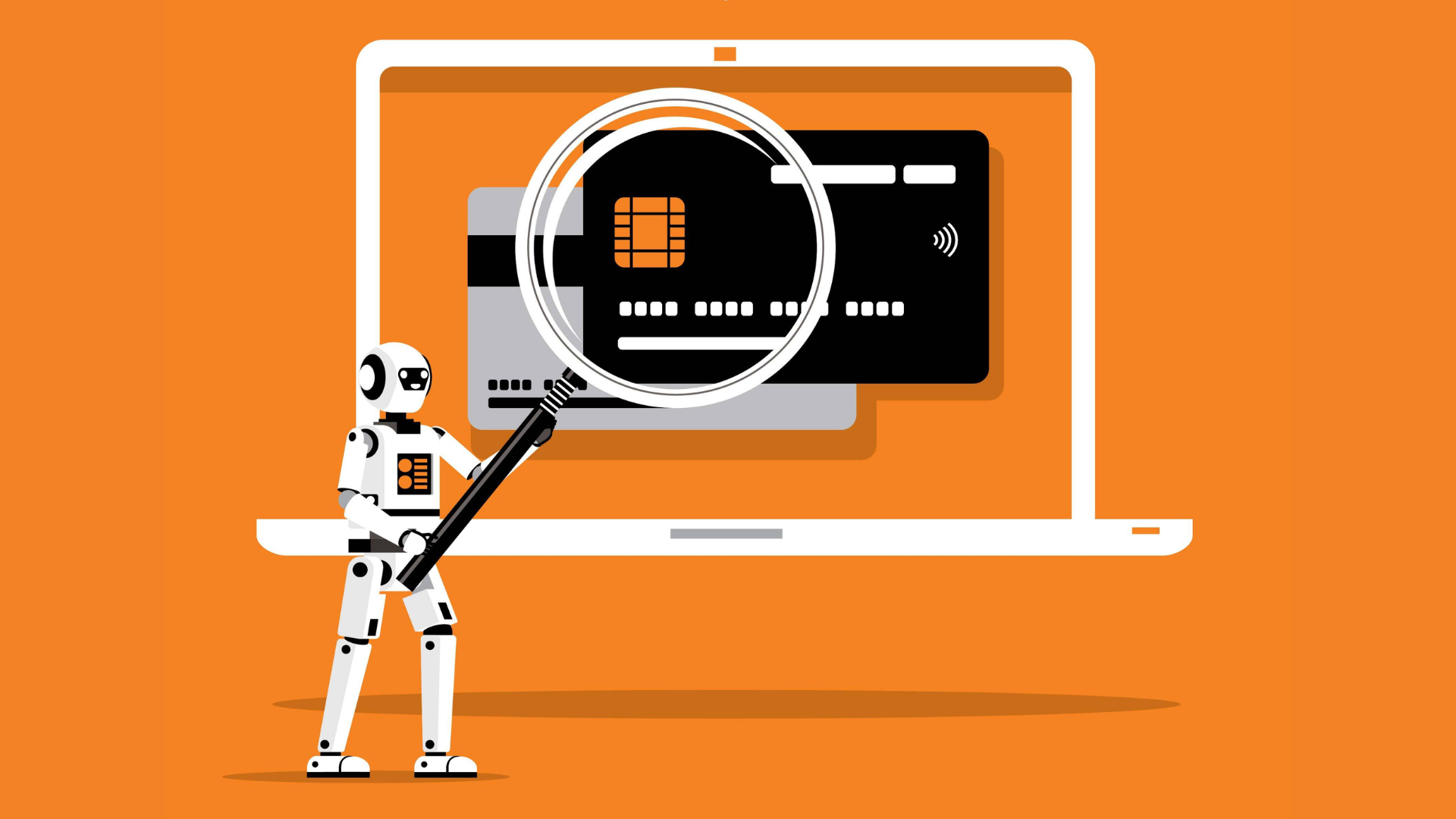
(image via Tom's Hardware)
Update: US banks are now finding AI agents inside customer accounts
What's new: it's no longer just banks saying they'll block outside AI agents. Citing an Axios report, Tom's Hardware says major US banks have now detected third-party agents operating inside customer accounts, and some have tried to make transactions. In at least one case, an agent called a bank on its own to complete a task.
Most of this traces back to customers handing their login details to an agent, which breaks bank terms. Morgan Stanley, Bank of America, JPMorgan and Wells Fargo are among those blocking agents and updating their terms of service, while steering people toward read-only access through approved open-banking connections.
Source: Tom's Hardware
iPhone 18 Pro (image via 9to5Mac / Apple)
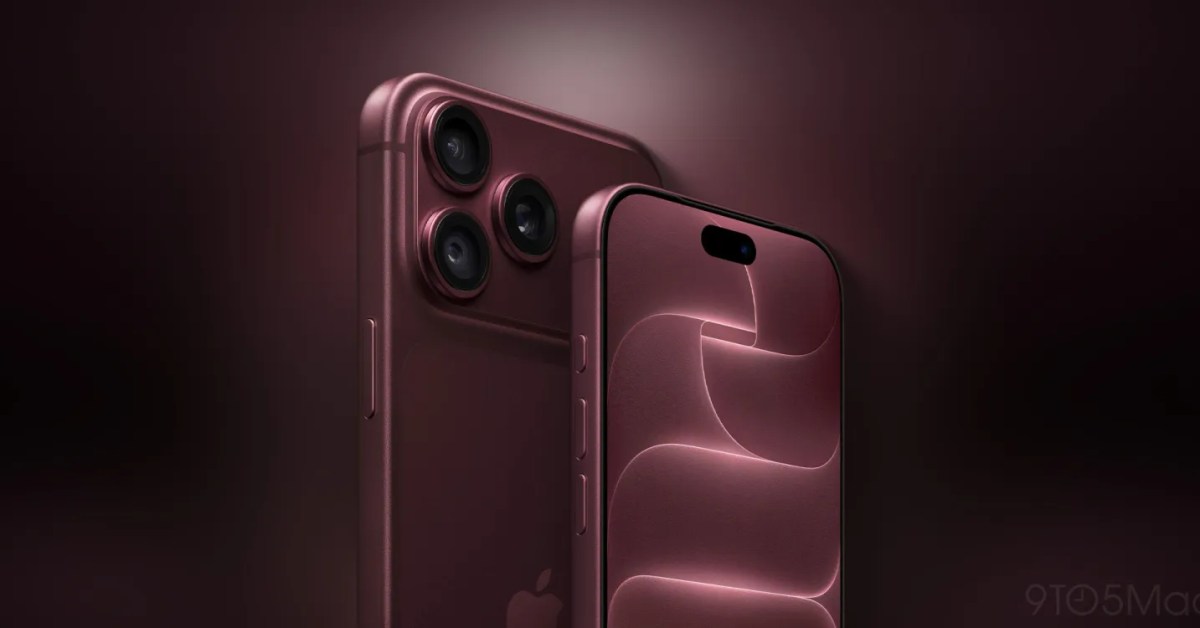
Apple jumps to No. 2 in a shrinking China phone market
Smartphone shipments in China fell 10% year over year in the third quarter to a 14-year low, according to Counterpoint Research, as rising memory prices keep weighing on the market, 9to5Mac reports. Apple went the other way, jumping from sixth place to second with a 19.5% share, behind only Huawei at 21.3%.
They were the only two of the top six brands to gain share. Counterpoint credits a strong iPhone 18 Pro launch in China, with first-three-week sales up 23.5% over the iPhone 17 Pro. IDC's earlier numbers were a bit different but told the same basic story.
Source: 9to5Mac
Meta (image via Engadget)
Update: Meta pushes back its controversial new business terms
What's new: Meta's updated Commercial Terms and Self-Serve Ad Terms won't take effect on October 30 after all. The company has moved the date to November 20 to give itself more time to explain the changes to partners, Engadget reports.
The terms drew heat because they gave Meta the right to crawl and use content from websites linked to business accounts. Meta already dropped the AI-training language after publishers pushed back, but complaints have still gone to antitrust regulators, and the News Media Alliance has asked Meta to withdraw the revised terms entirely.
Source: Engadget
(image via Ars Technica)
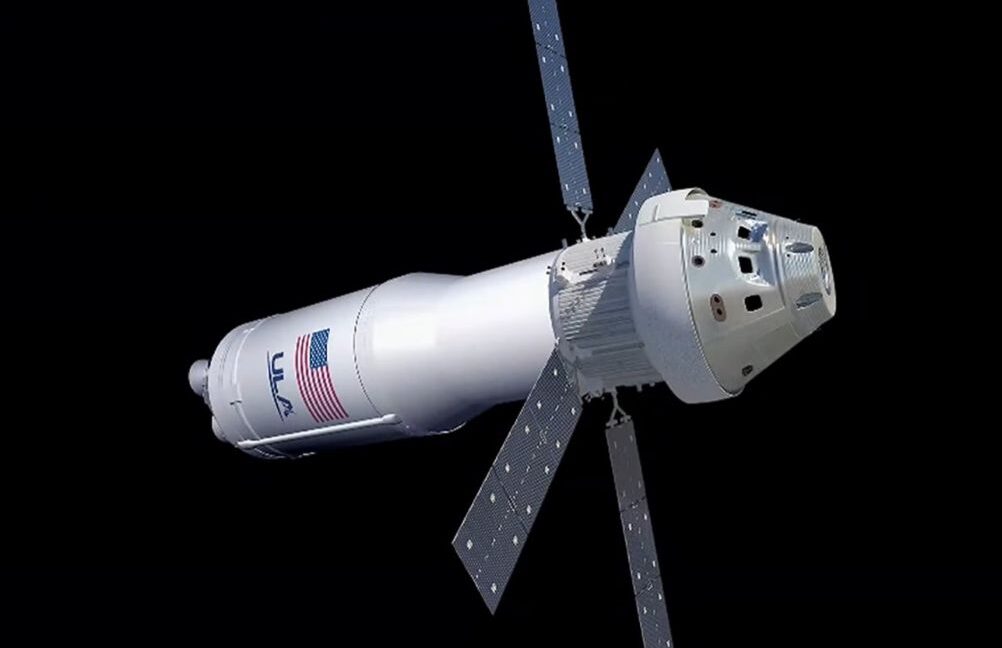
NASA lays out its updated Moon landing plan, and fixes a long-running Orion problem
NASA used a lengthy Friday press conference to detail how it plans to put astronauts back on the Moon as soon as 2028, Ars Technica reports. The big change for SpaceX: Orion will now dock with the Starship lunar lander in high Earth orbit before heading to the Moon. Blue Origin's plan uses four New Glenn launches with no ship-to-ship refueling, and may let Blue Moon meet Orion in low lunar orbit.
The long-standing Orion problem is that its service module has never had enough oomph to reach low lunar orbit and get back home. NASA is now working with United Launch Alliance on an extended Centaur V upper stage for SLS so Orion can get there, which makes landings easier for the lander companies. NASA still expects Artemis III, a docking demo with both landers near Earth, by summer 2027, followed by an Artemis IV landing in 2028. "This is an achievable path we are on right now," NASA Administrator Jared Isaacman said.
Source: Ars Technica

(image via Wired)
Moderna and Merck's personalized mRNA vaccine cuts melanoma recurrence by 42%
A personalized mRNA cancer vaccine from Moderna and Merck, paired with the immunotherapy drug Keytruda (pembrolizumab), cut the risk of melanoma coming back or death by 42% compared to Keytruda alone in a Phase 3 trial, Wired reports. The INTerpath-001 study followed 1,137 high-risk patients who'd already had their tumors surgically removed.
After about two years, 82.2% of patients on the combo were still recurrence-free versus 70% on Keytruda alone, and the risk of the cancer spreading elsewhere dropped 38%. The study's principal investigator called the results "transformative."
Source: Wired

The Arsia Mons Elongated Cloud (image via Ars Technica)
A 1,000-mile cloud on Mars may be showing physics never seen in nature
Every morning in Martian spring and summer, a thin cloud forms near the volcano Arsia Mons and stretches more than 1,000 miles, roughly New York to Kansas City, before fading away, Ars Technica reports. Scientists have been stumped by it since a probe first spotted it in 2018.
A new study in Nature Geoscience finally models it, and the answer may be homogeneous nucleation, where vapor turns straight into ice crystals without any dust to form around. That's in the textbooks but has never been directly seen in any planet's atmosphere. The lead author compared it to condensation appearing in the middle of a room instead of on a window.
Source: Ars Technica

Microduck robots (image via TechCrunch)
Nvidia's waddling Microduck robots rack up 20,000 preorders
A clip of Jensen Huang playing with a flock of tiny Microduck robots at GTC Berlin went viral this week, and by the next day preorders had passed 20,000, TechCrunch reports, citing Hugging Face's Clem Delangue. The little bots stomp around, sit, "nap" and do somersaults on voice command, and they're supposed to ship in time for Christmas.
Microducks come from Pollen Robotics, which Hugging Face bought in 2025, and Nvidia bought Hugging Face in September. They're open source and were trained in simulation on Nvidia's stack, and owners can teach them new tricks and share them with the community.
Source: TechCrunch
Comments
Post a Comment