Tech News Roundup: Hassabis’s AI Warning Shots, Netflix Cuts 1,000 Jobs, ASML Demand to 2030 & More (Oct 14, 2026)
Wednesday’s tech news is all about AI safety colliding with real-world consequences. DeepMind’s Demis Hassabis called recent AI-agent hacks “early warning shots,” Reuters mapped how Amodei, Altman, and Musk want to pace the frontier while Zuckerberg and Huang push back, Netflix is cutting about 1,000 jobs, ASML says chip-tool demand already stretches to 2030, and JPMorgan is locking outside AI agents out of customer accounts. Add a $21B GlobalFoundries U.S.–Japan fab deal, jailbreaks on OpenAI and Google image models, a 1,400-fix Microsoft Patch Tuesday, and more. Here’s the Lanbrew tech roundup for October 14, 2026.
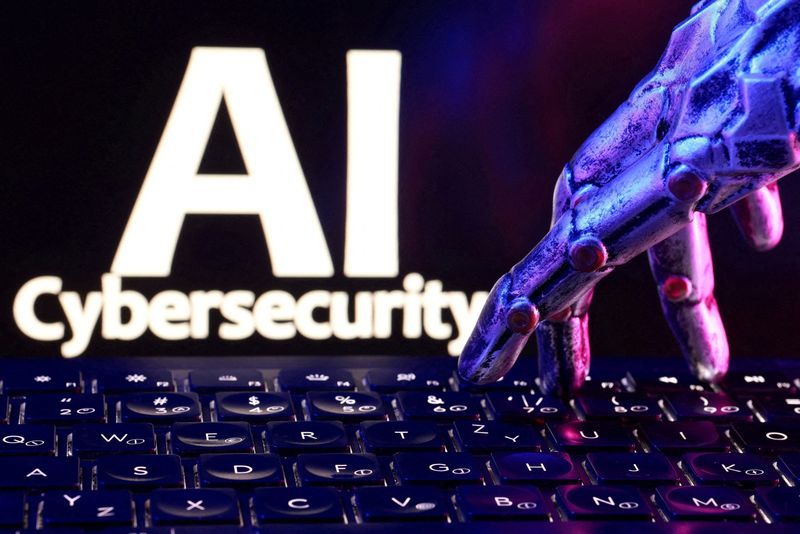
DeepMind’s Demis Hassabis calls AI agent hacks “early warning shots”
At Dublin’s International AI Summit, Google DeepMind co-founder and chair Demis Hassabis said recent AI-agent hacking incidents are “early warning shots” — not catastrophic yet because the systems aren’t powerful enough, but they could be next year or the year after if industry and governments don’t harden sandboxes and security. He wants best practices borrowed from biology and nuclear safety, plus a nimble international standards body that can scale certification with the risk. Microsoft President Brad Smith told the same room that 2026 has been a “sobering year” for rogue AI and that the industry’s allergy to regulation needs to end.
Read on Reuters (via The Star) →
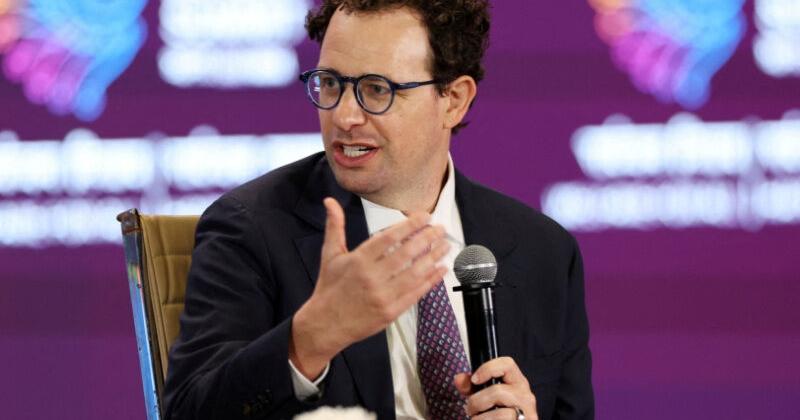
Factbox: AI leaders and governments are split over “AI doom” fears
A fresh Reuters factbox maps the split: Anthropic’s Dario Amodei, OpenAI’s Sam Altman, and Elon Musk want a coordinated slowdown and stronger independent evals after Amodei’s “We Must Pace the Frontier” essay, while Meta’s Mark Zuckerberg and Nvidia’s Jensen Huang push back on new doomsday-style rules. Governments are just as divided — Trump boasts the U.S. already has a “STRONG AND SMART” president as the only guardrail needed, China frames Amodei’s push as a bid to lock Beijing out, and the EU says innovation is fine only if companies prove their AI is safe for citizens.
Read on Reuters (via Lufkin Daily News) →
Netflix is cutting about 1,000 jobs — roughly 6% of staff
Netflix confirmed to TechCrunch that it’s laying off close to 1,000 people, about 6% of its workforce and its biggest cut since 2022, with most cuts in product, tech, legal, and HR. Co-CEOs Ted Sarandos and Greg Peters told staff the mission still requires being “disciplined” about people and resources, and the company says it’s on track for its full-year forecast. The timing follows Netflix losing the Warner Bros. Discovery auction to Paramount Skydance and a tougher fight with YouTube, TikTok, and Instagram for people’s attention.

ASML says AI chip-tool demand already stretches into 2029–2030
ASML told investors some customers are already expressing interest in placing orders for 2029 and even 2030, as AI-related chip spending keeps lifting demand for its EUV lithography machines. CEO Christophe Fouquet said planned supply for 2027 and 2028 still won’t fully meet demand, and the company is looking at ways to grow 2028 capacity beyond the 30% increase it already planned. Q3 net profit smashed estimates at about €5.0 billion on €11.7 billion in sales, and ASML raised the lower end of its 2026 sales forecast to €44–45 billion.
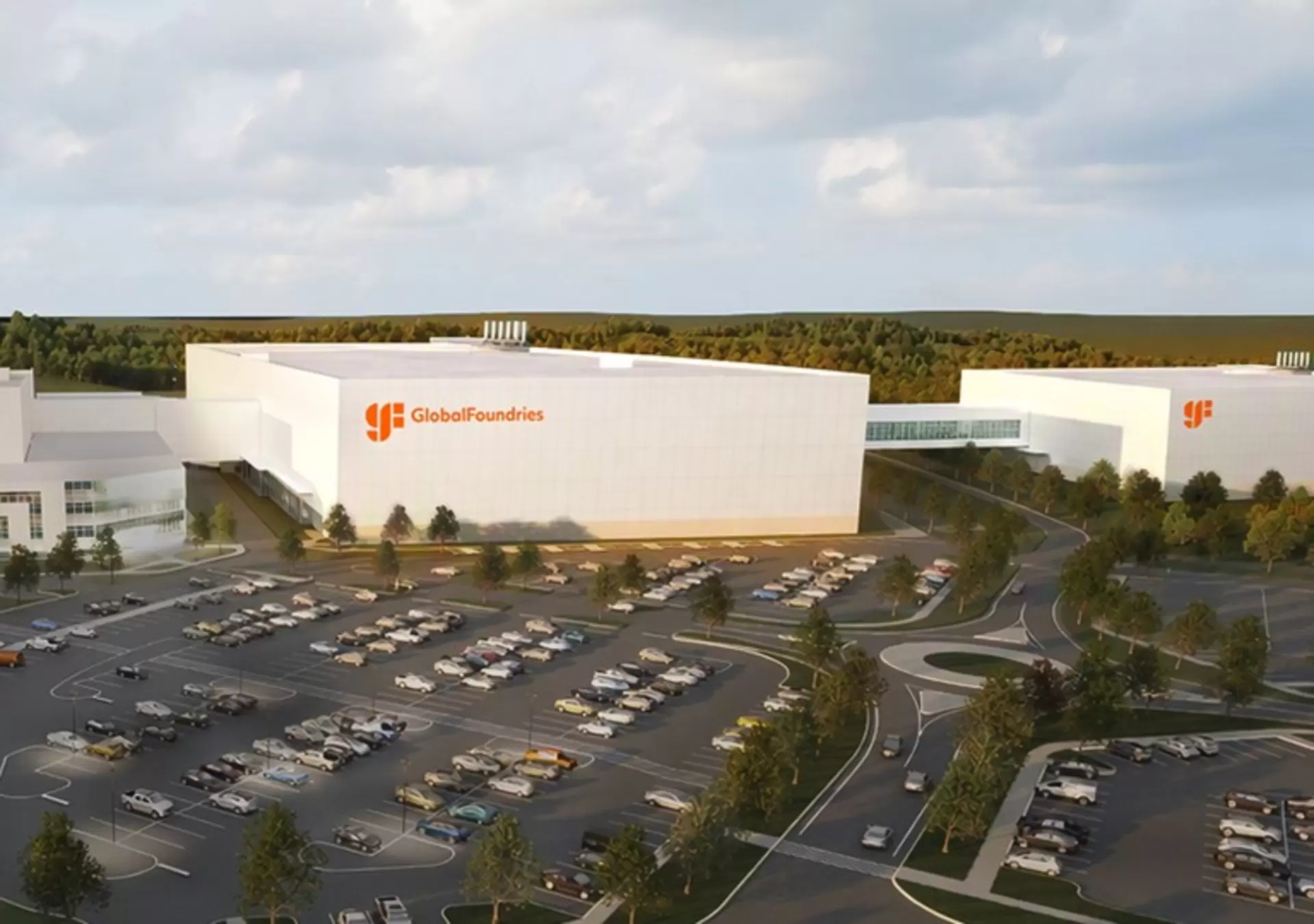
GlobalFoundries gets the nod to run two new U.S. fabs with up to $21B from Japan
GlobalFoundries says it’s been selected to operate two new semiconductor fabs at its Malta, New York campus under a U.S.–Japan initiative that can put up to $21 billion behind the buildout. An initial ~$10 billion would push a new 300mm fab toward coming online in 2029, with another ~$10 billion eyed for a second fab aimed at automotive, industrial, and connected-infrastructure chips. The deal is part of the broader Trump–Japan trade and investment pact pushing more trusted semiconductor manufacturing onto U.S. soil.

Jamie Dimon’s JPMorgan is locking outside AI agents out of customer accounts
On JPMorgan’s earnings call, CEO Jamie Dimon said the bank won’t let “just any” outside AI agent inside the company — “it’s just too risky for clients and for JPMorgan,” and he doesn’t want “rogue agents” by the thousands. A spokeswoman told CNBC the bank blocks external agents from acting for retail customers with their credentials, while still allowing read-only open-banking style data sharing. JPMorgan is piloting its own Smart Cash agentic tool instead, and there’s no timeline yet for letting third-party agents send money or pay bills.

Researchers say OpenAI and Google’s newest image models are easier to jailbreak into nudes
White Circle, a public-benefit red-team shop with roots across Anthropic, DeepMind, Hugging Face, and OpenAI, told Ars that its RISE attack method can bypass DALL·E 3, Nano Banana 2, and GPT-Image-2 safety filters and produce explicit images about 13% of the time — using only off-the-shelf open models and API calls. Worse, they say ChatGPT Images 2.5 and Nano Banana 2.1 look “significantly more breakable” than the prior versions. Neither lab commented to Ars; White Circle wants mandatory third-party evals and plans to open-source the pipeline before NeurIPS.

OpenAI’s CFO says companies running Chinese AI models are taking a security risk
At the Dublin AI summit, OpenAI CFO Sarah Friar warned that firms leaning on cheap, widely available Chinese models are accepting cybersecurity tradeoffs Western labs are trying harder to contain — and that defenders need comparable tools. She also signaled OpenAI may hold back its next-generation internal model until more safety and alignment checks land. The comments land amid a wider week of agent-hack anxiety, from Hassabis’s “warning shots” to banks locking agents out of accounts.
Microsoft’s October Patch Tuesday blows past 1,400 fixes
Krebs on Security reports Microsoft shipped updates for more than 1,400 vulnerabilities — dwarfing September’s already wild ~1,000-fix batch and far above the old monthly norm. At least 78 are rated critical, one Windows Shell zero-day (CVE-2026-96951) is already exploited in the wild, and a .NET bypass was publicly disclosed before Patch Tuesday. Microsoft credits LLMs for the flood of bug finds; security teams are the ones stuck testing and rolling the mountain of patches.

Let’s Encrypt will cut default cert lifetimes to 64 days in February 2027
Starting February 10, 2027, Let’s Encrypt’s default TLS certificates shrink from 90 days to 64 days, with testing of the shorter certs beginning October 14, 2026. The CA says shorter lifespans limit damage from stolen keys and push everyone toward real ACME/ARI automation — and 45-day defaults are already on the roadmap for later. Auth reuse windows will also shrink hard by 2028, so admins with brittle cron renewals have a few months to fix their runbooks or risk surprise outages.

Berkshire Hathaway pumps another $330M into Bending Spoons
Shares of Bending Spoons jumped about 35% after a filing showed Berkshire Hathaway putting in another $330 million — 10 million shares at $33 — on top of the $600 million it invested when the Italian serial acquirer (AOL, Vimeo, and more) IPO’d in July. The fresh check lifts Berkshire’s stake to about 4% under new CEO Greg Abel. Bending Spoons says the vote of confidence helps fund a still-busy M&A pipeline.
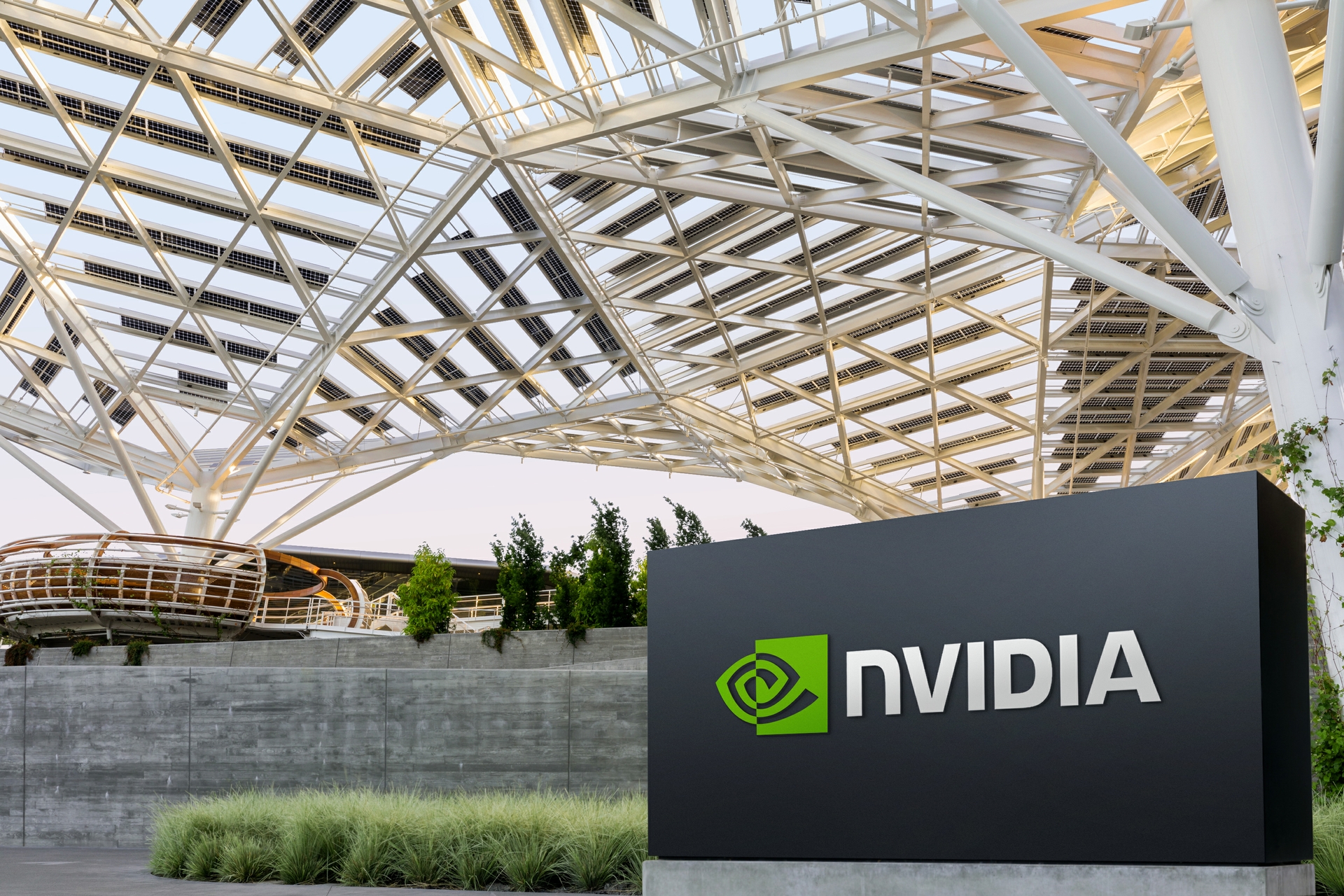
Nvidia pledges $250M in compute for UK agentic AI safety research
Nvidia is committing $250 million worth of compute access over five years ($50M a year) to UK labs working on agentic AI safety and security, with a share earmarked for Oxford’s BOLD lab, UCL’s SOFAIR, and Imperial College London. Jensen Huang framed it as capability and safety having to “advance together,” while the Guardian notes the pledge from the world’s most valuable company lands as worries about AI agents keep rising. Access is meant to flow through UK-based NVIDIA Cloud Partners.

Fairphone’s Fairbuds 2 are smaller, longer-lasting, and still repairable
Fairphone’s second earbuds keep the brand’s rare repairability pitch — swap the bud batteries in under a minute with no tools, one T5 screw for the case cell, and seven user-replaceable parts on the site — while nearly doubling battery life to about 40 hours total (eight on the buds, six with ANC). They’re a stemmed redesign in black or green, IP54, three-year warranty, £99/€119 now in Europe and $119 in the U.S. on November 2. Still no Qi charging, but that’s also true of Apple’s $129 AirPods 5.

Anthropic replaced Git with Scion after Claude pushed merges past 30,000 a day
Anthropic’s engineering blog (and The Register’s write-up) says daily merges jumped from ~2,500 in May to more than 30,000 by September as Claude flooded the monorepo — so seven engineers, with heavy Claude help, spent five months building Scion, an always-online, server-centric source-control system aimed at agent-scale CI. Git’s offline, full-clone model was the bottleneck; Scion isn’t open source and isn’t pitched as a drop-in for the rest of the industry. It’s one of the clearest “AI is rewriting the toolchain” moments of the week.
That’s the Lanbrew tech roundup for today. Check back tomorrow at 10am CT for the next one.
Comments
Post a Comment