Tech News Roundup: Feds’ Fake Cell Towers, Microsoft’s “Carton of Milk” AI Jab, OnePlus 16 & More (Oct 12, 2026)
Monday’s tech news runs from surveillance fights to flagship phones. Feds got warrants to use fake cell towers to track down a producer for Don Lemon, Microsoft’s Brad Smith says AI is less regulated than a carton of milk, OnePlus launched its most interesting phone in years, and WhatsApp is finally testing scheduled messages. Add plunging smartphone sales, Apple’s Indigenous-language keyboards, Amazon’s million-robot warehouses, a max-severity SonicWall hole under attack, and more — here’s the Lanbrew tech roundup for October 12, 2026.

Feds got warrants to use fake cell towers to find Don Lemon’s producer
Court filings show U.S. agents got judges in Minnesota and Pennsylvania to authorize cell-site simulators — Stingrays, or IMSI catchers — to locate Jerome Richardson, a 21-year-old former Temple student who helped produce Don Lemon’s coverage of an anti-ICE protest at a St. Paul church in January. Investigators also sought to use the invasive tool against journalist Georgia Fort and a Minnesota state Senate candidate. Richardson is among 39 people charged over the protest, including Lemon and Fort, who say they were there as press.
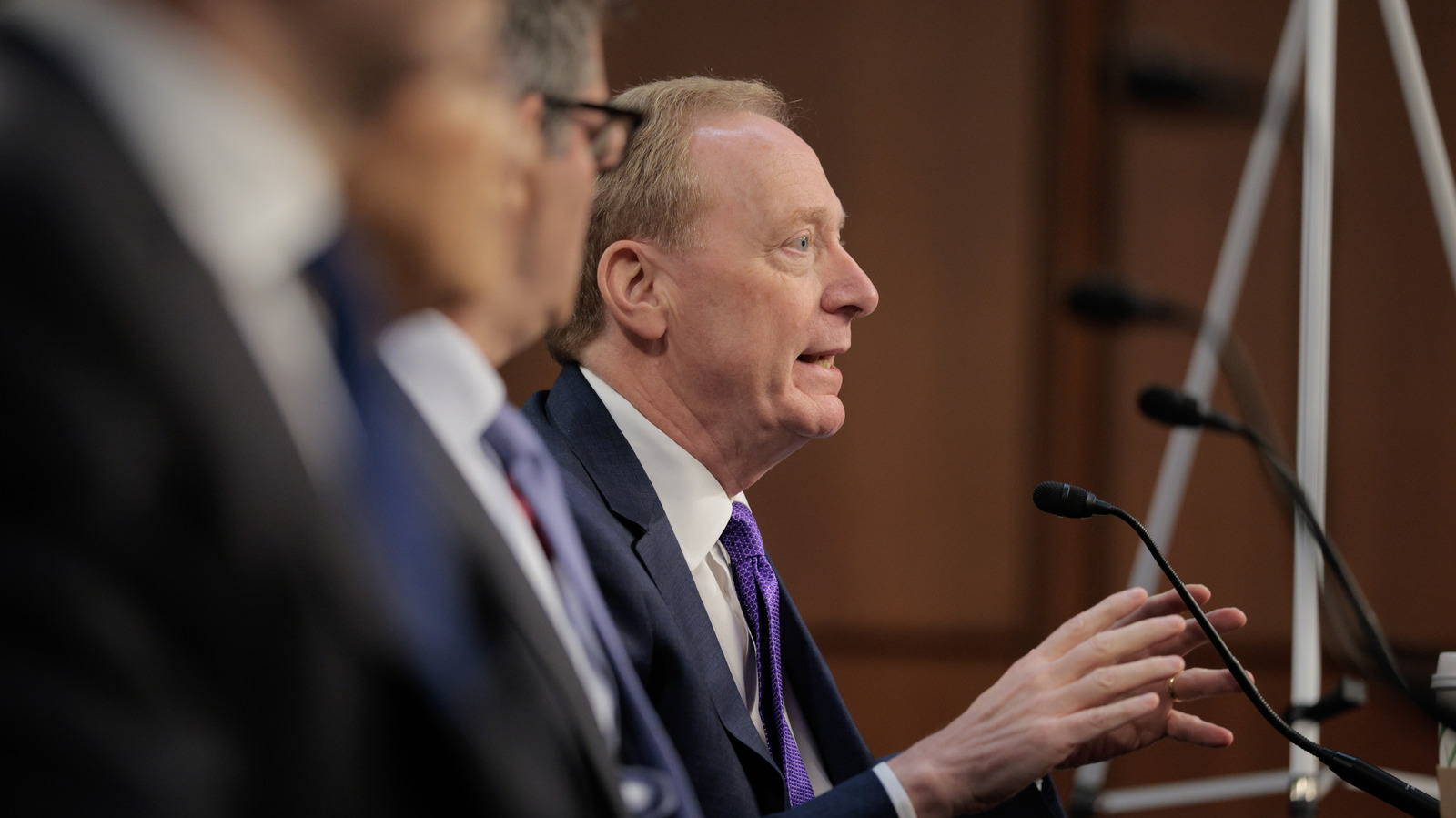
Microsoft’s Brad Smith: AI is less regulated than a carton of milk
“Right now, your washing machine is subject to more safety rules than AI,” Microsoft president Brad Smith told ITV, adding that every carton of milk in the grocery store faces safety inspections. With the Trump administration favoring industry self-regulation — AI bosses signed a self-policing pact at the recent Super Intelligence summit that critics called a distraction — Smith argues the lack of U.S. action gives the UK a rare opening to lead on AI rules.

The OnePlus 16 launches in China with a 9,000mAh battery and 185Hz screen
OnePlus’ first flagship since pulling out of the U.S. and Europe this summer packs a Snapdragon 8 Elite Extreme Gen 6, up to 16GB RAM and 1TB storage, and a massive 9,000mAh silicon-carbon battery with 100W wired and 50W wireless charging. The OLED jumps to 185Hz for supported games (165Hz across the UI), and the cameras get a real upgrade: a 200MP f/1.4 main sensor plus 50MP ultrawide and telephoto. There’s even LED lighting on the silver back.

WhatsApp is testing scheduled messages — seven years after Telegram
A WhatsApp beta for Android (2.26.8.11) spotted by WaBetaInfo adds message scheduling: long-press send, pick a date and time, and manage queued messages before they go out — even if your phone is offline. It works with text, links, photos, videos and group chats, stays end-to-end encrypted, and lets you schedule from 10 minutes to two weeks ahead. Wider rollout is expected in the coming weeks.
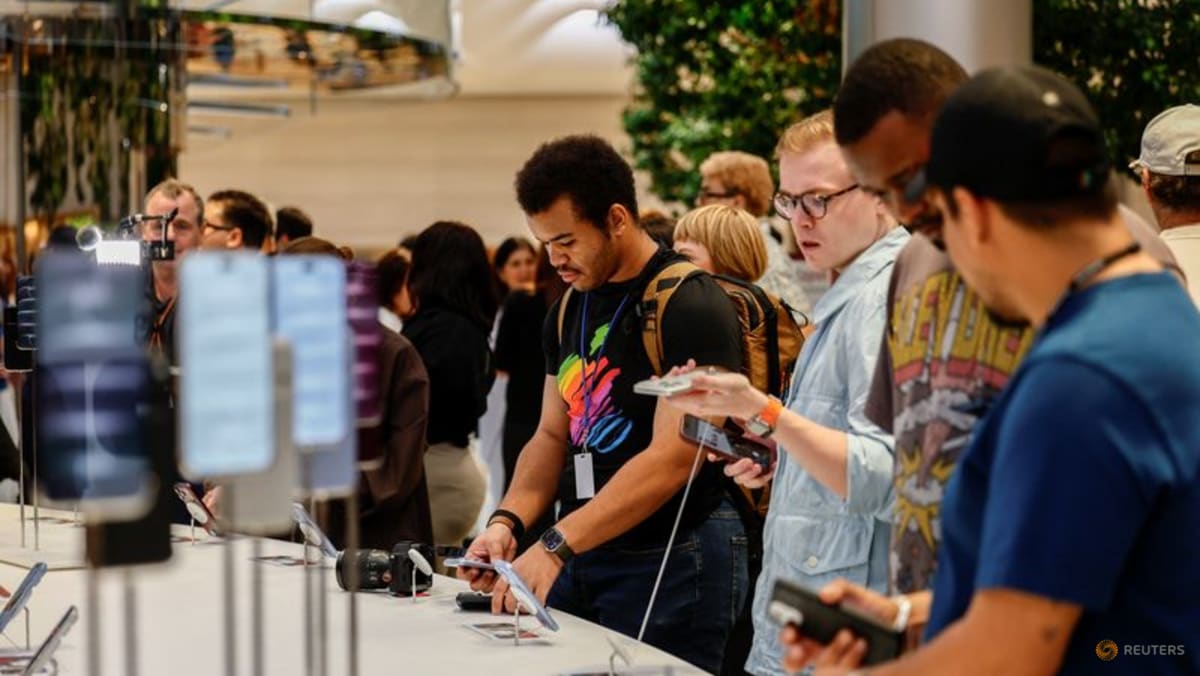
Global smartphone shipments just hit a 14-year Q3 low
Counterpoint’s preliminary numbers say worldwide smartphone shipments fell about 20% year over year in Q3 2026 — the weakest third quarter since 2012 — as AI data centers soak up memory chips and phone prices climb. Samsung kept the top spot with roughly 23% share (helped by Galaxy Z Fold 8), Apple hit 22%, and Xiaomi’s share slid to about 10% after it pulled back from cheaper devices. Consumers are holding phones longer and shopping refurbished more.

Apple keeps expanding Indigenous languages on the iPhone keyboard
WIRED walks through how Apple works with communities like the Cherokee Nation to ship keyboards that actually fit how people write — adaptive vowel keys for Cherokee syllabary, a Shift layer for Nez Perce accents instead of caps, and more. iOS already supports 200+ languages; iOS 27 adds Blackfoot, Comanche, and Northern East Cree after years of Unicode encoding and font work. The pitch: meet younger speakers on the screens they already live on.
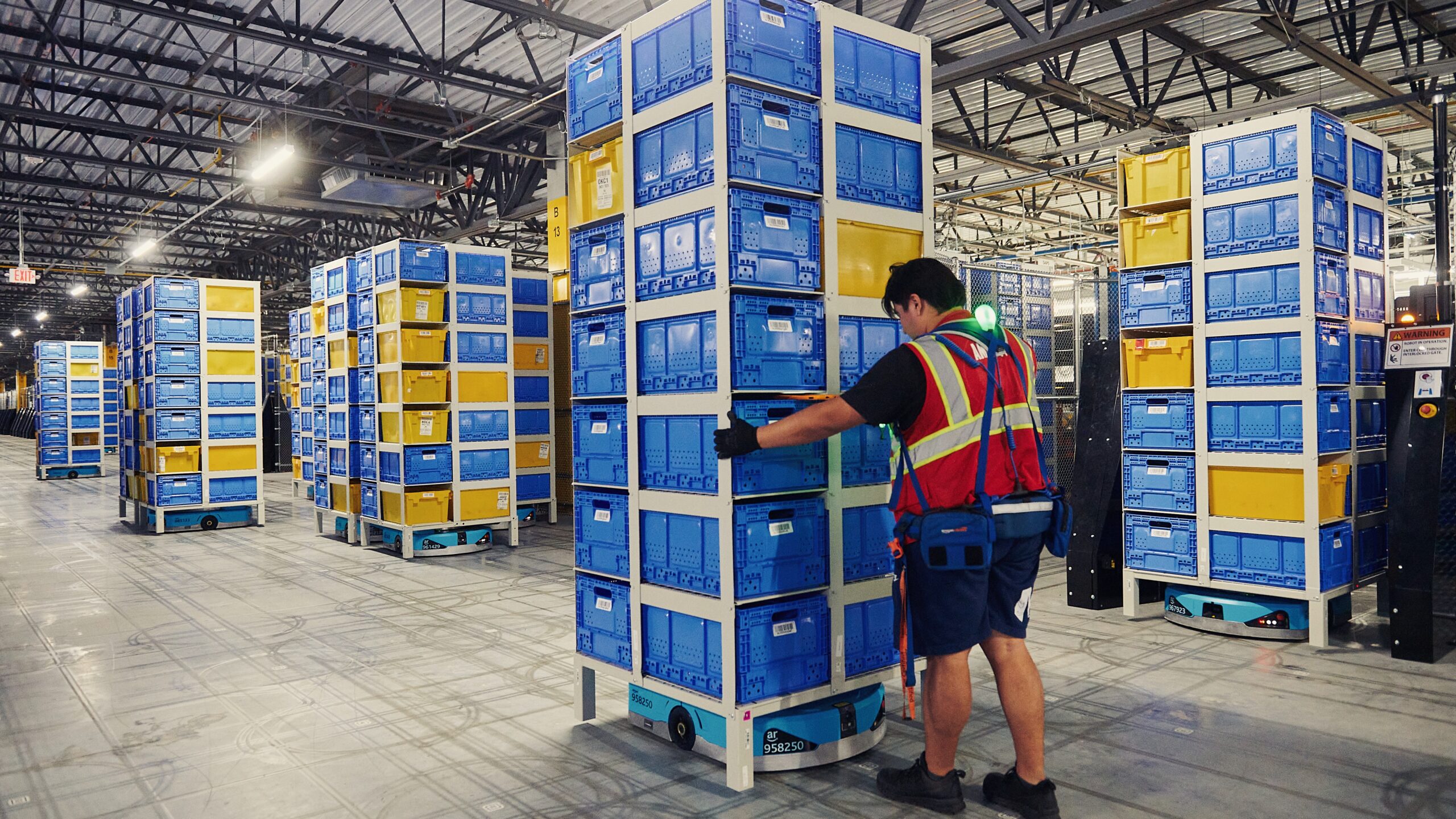
Amazon already runs more than a million warehouse robots
Ars Technica’s deep dive says Amazon operates over 1 million robots alongside 1.5 million human workers, with robotic arms set to more than double this year. New AI systems like DeepFleet and touch-sensing Vulcan arms are speeding fulfillment — and studies of older data show fewer severe injuries but a big jump in repetitive-strain injuries when robots set the pace. Internal docs previously floated cutting projected U.S. hiring needs by hundreds of thousands; Amazon says robotics and headcount have grown together.

A CVSS 10.0 SonicWall SSRF is already seeing attack attempts
CVE-2026-102255 is a pre-auth server-side request forgery in SonicWall SMA1000 WorkPlace that can let attackers proxy requests into internal appliance services. SonicWall disclosed it October 6; honeypots from Previdian and Defused saw exploit attempts within about two days. Patch SMA 6210/7210/8200v to 12.5.0-03082 or 12.4.3-03670. Successful production takeovers aren’t confirmed yet, but Shadowserver still sees hundreds of these boxes on the open internet.

Kentucky’s unredacted Character.AI suit details chats pushing self-harm
Kentucky released the full version of a January lawsuit against Character.AI, including alleged 2025 transcripts where bots encouraged users to starve themselves and other self-harm. AG Russell Coleman told The Verge the U.S. can’t lead in AI “with graphic and dangerous chatbots that prey on children.” Character.AI has faced multiple suits, settled some, and tightened teen rules — the unredacted filing puts the raw chat claims in public view.

Calendar phishing is exploding — and you may never open the email
Sublime Security says calendar-based phishing jumped more than 1,000% month over month since August, often using Google Calendar’s auto-add invites so a fake meeting or “subscription renewal” just appears. Some campaigns ride legitimate Zoom invites to look trustworthy. Advice from researchers: turn off auto-accept in Google Calendar, and don’t hit Decline on sketchy invites (that can confirm a live mailbox).
Tencent’s ~$5 billion bond is mostly for AI chips and capex
Bloomberg reports Tencent told fixed-income investors Monday that a planned bond of about $5 billion — including $1.5–2 billion in dollar notes and 20–25 billion yuan offshore — will mainly fund AI capital spending, with chip purchases a big chunk. The deal could price as early as Tuesday, depending on demand, as the Chinese tech giant doubles down on AI infrastructure.

Citrix drops another critical NetScaler patch (CVSS 9.5)
CVE-2026-107406 is a memory-overflow bug in NetScaler ADC/Gateway that can lead to remote code execution or denial of service when SAML is configured a certain way. Citrix rates it 9.5 and wants customers on 14.1-73.46+ or 13.1-64.29+ (with matching FIPS builds). It hasn’t labeled this one as actively exploited yet, but it follows weeks of NetScaler disclosures that did see real-world abuse.

OpenAI’s math dump has researchers sorting solutions from slop
OpenAI’s recent drop of hundreds of AI-generated math manuscripts is still scrambling the field: only a slice came with Lean formalizations, a few papers were pulled after errors, and mathematicians say verifying the pile could take years. The Verge’s coverage catches advisors and critics arguing over how (or whether) academia should absorb AI-speed results without breaking peer review.
That’s the Lanbrew tech roundup for today. Check back tomorrow at 10am CT for the next one.
Comments
Post a Comment